

Willy Groth – A Life Through the Twentieth Century
A life spanning the German Empire, two world wars and a second beginning.
Willy Groth’s life began in the German Empire and carried him through war, economic hardship, professional success and the loss of almost everything familiar. His writings ask what enables a person to endure when a seemingly secure life breaks apart again and again.
1887–1972. One life, rebuilt twice.
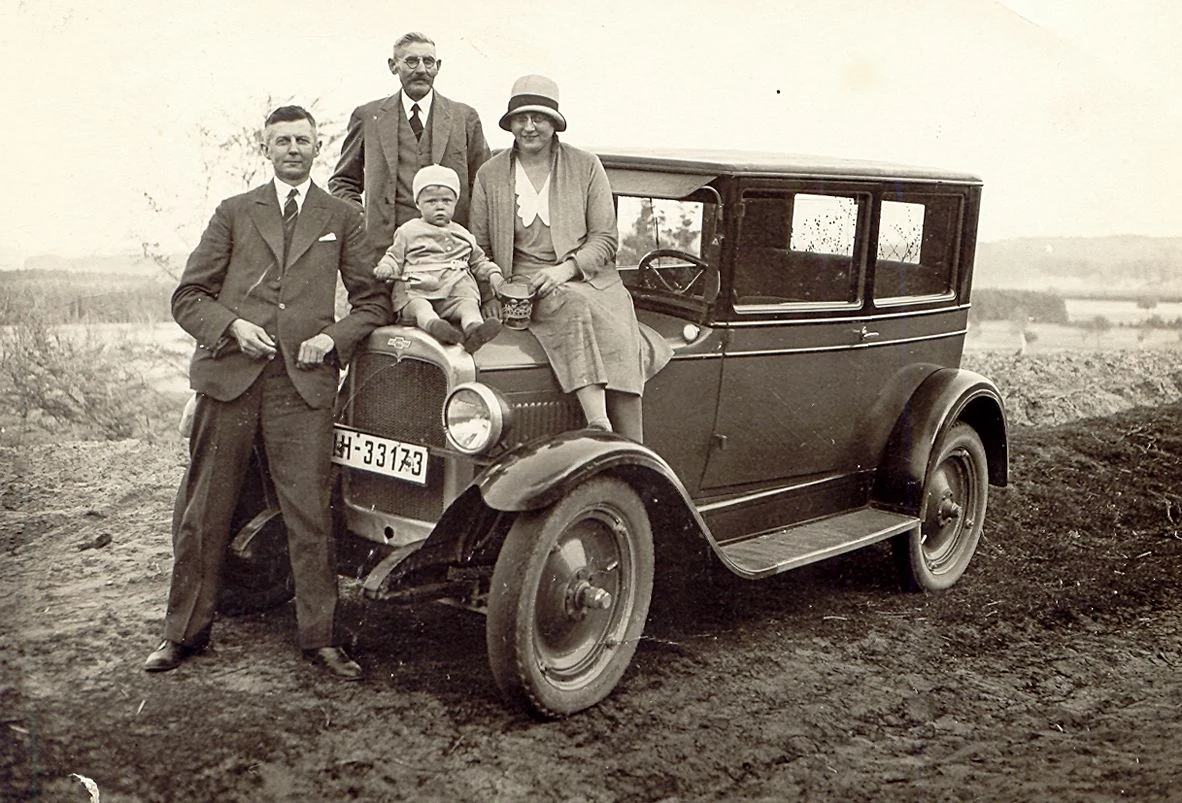
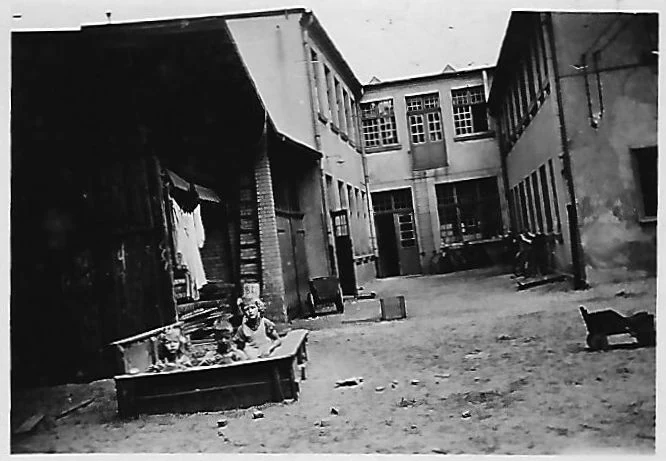
1887–1939 · Stolp and Rathsdamnitz
From village boy to master cabinetmaker.
From boyhood, Willy knew that he wanted to become a cabinetmaker. Yet the road from village life to a workshop of his own led through a punishing apprenticeship, illness, Berlin and choices that would shape everything that followed.
“There was only ever one answer I could give: I want to be a cabinetmaker!”
1914 and 1945
The first war interrupted his life. The second destroyed everything he had built.
The First World War tore Willy away from his trade and carried him far from home. Decades later, war reached into his life once more – just when he believed he had finally built something secure.
As the front drew closer, there was scarcely time to make decisions. A separation began whose outcome no one could foresee.
Would the family ever see one another again?
7 March 1945
The key was left hanging beside the workshop door.
On 7 March 1945, Willy stood before everything he had spent decades building. There was time for little more than one final look.
“Once more I walk through every room … I lock the workshop door and hang the key beside it.”
With little more than he could carry and no certainty about what lay ahead, he set out on a journey whose end he could not imagine.
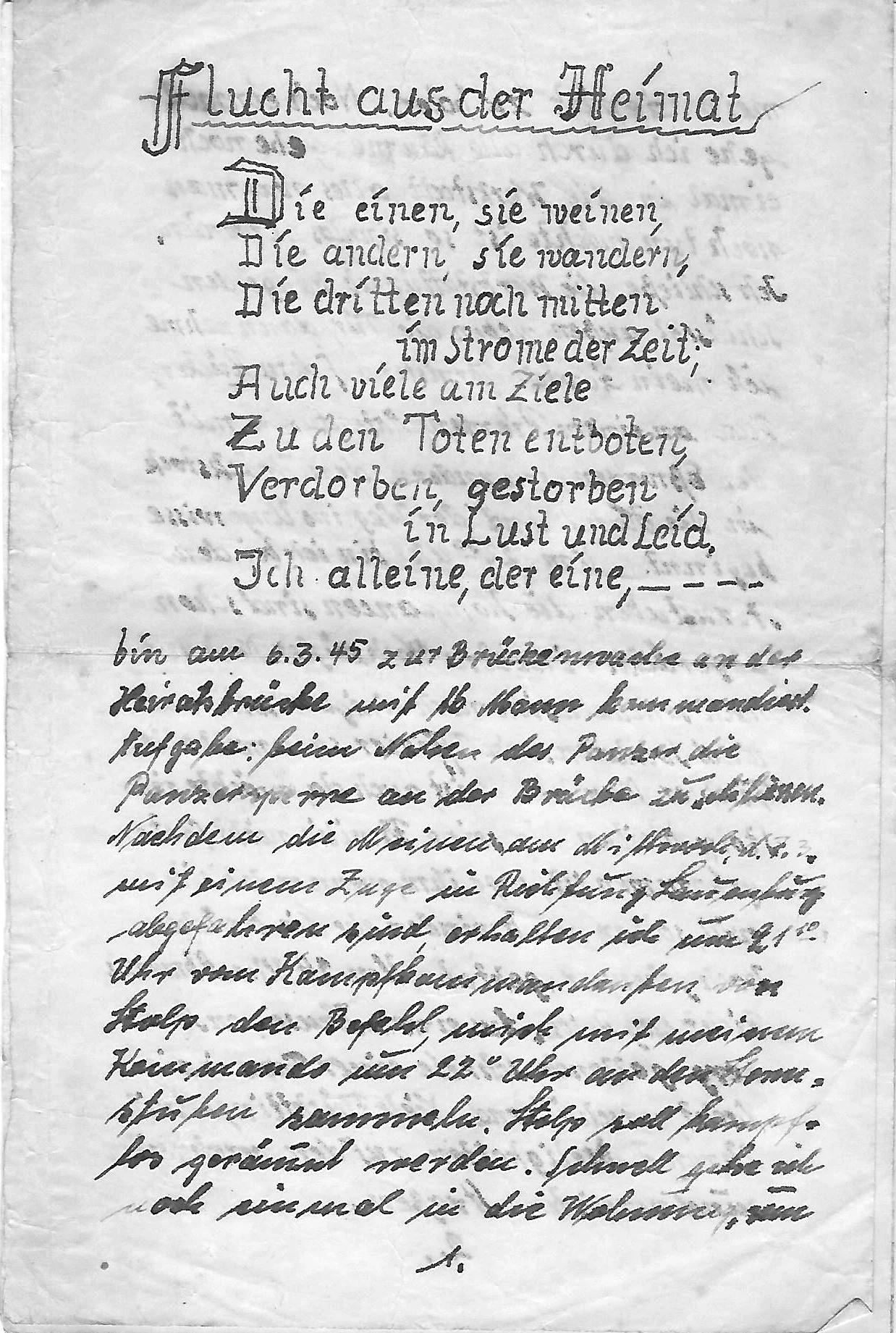
25 March 1945
Danzig was in flames.
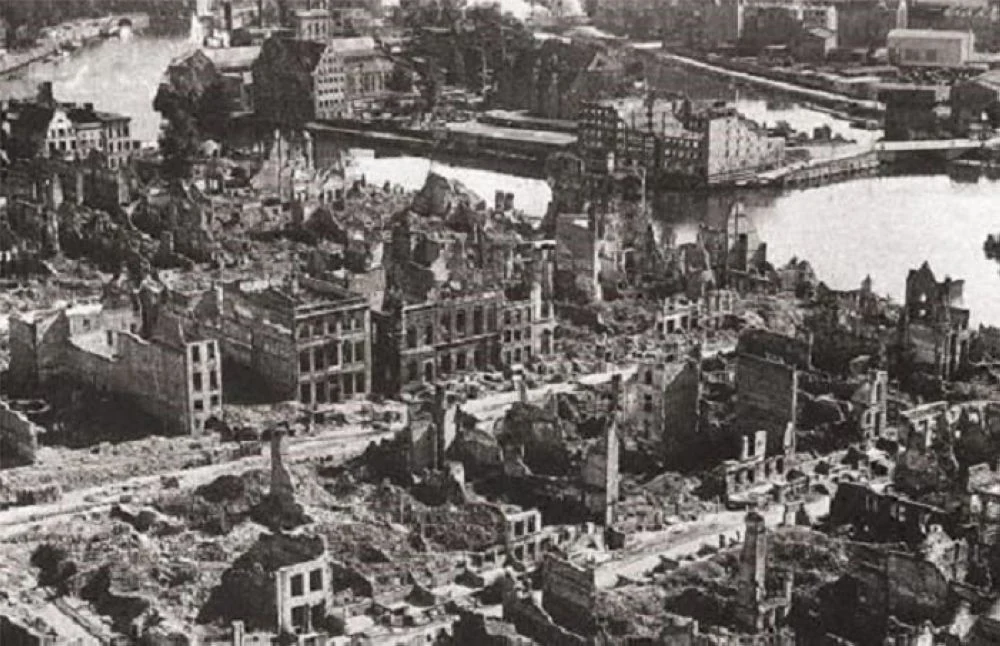
A city Willy remembered from better years became an inferno within days. Amid fire, air raids and collapsing streets, he tried to help others – while searching for a way out himself.
“One vast sea of flames. All of Danzig was burning.”
Willy's journey continued. He did not know whether his family was still alive.
Copenhagen, 1945
What he had learnt since boyhood now helped the children in the camp.
In the camp, craftsmanship became more than a profession. With the simplest of tools, Willy began making something for the children – and found in the work a sense of purpose he badly needed himself.
“In this way, every child could be given a toy.”
What emerged from that quiet work reveals much about a man who rarely made grand claims for himself.

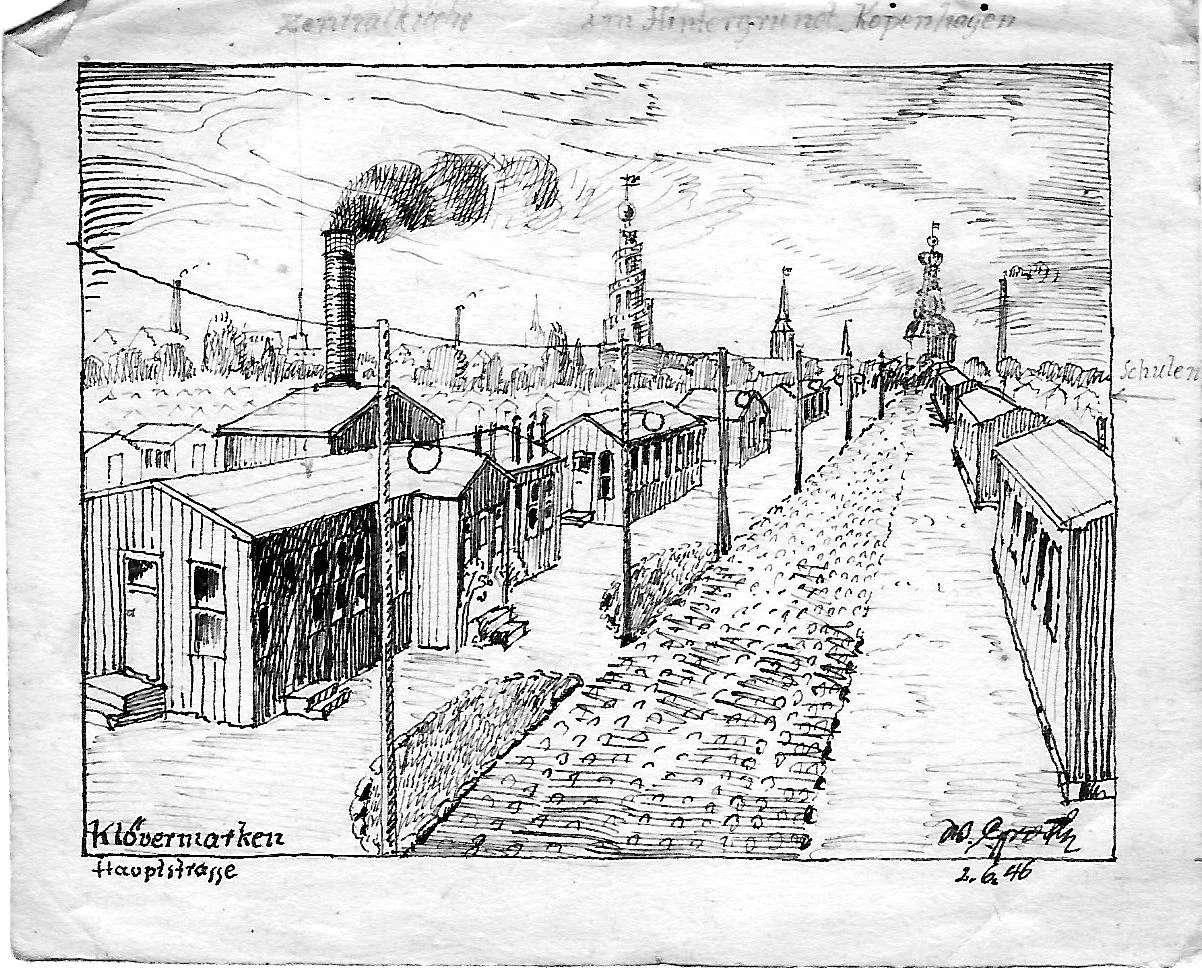
1945–1946
A birthday, a Christmas and months of uncertainty.
Months passed amid lists, rumours and messages that never came. Each day brought the same question, and no one could offer a reliable answer.
“I never gave up hope …”
April 1946
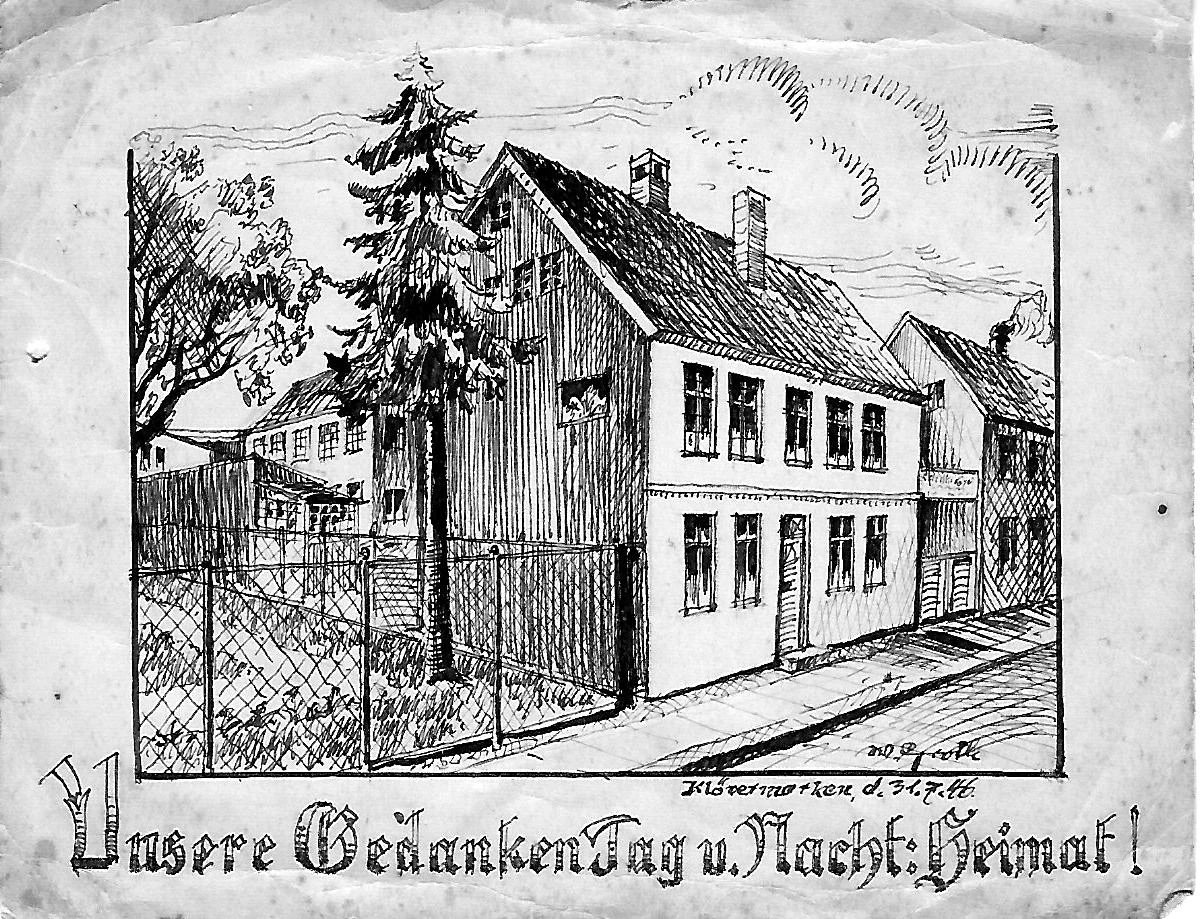
“Our thoughts, day and night: home.”
From memory, Willy drew the house and workshop in Stolp. Then, after a long silence, a message arrived that might change everything.
“I have received your letter, and now I know: you are alive.”
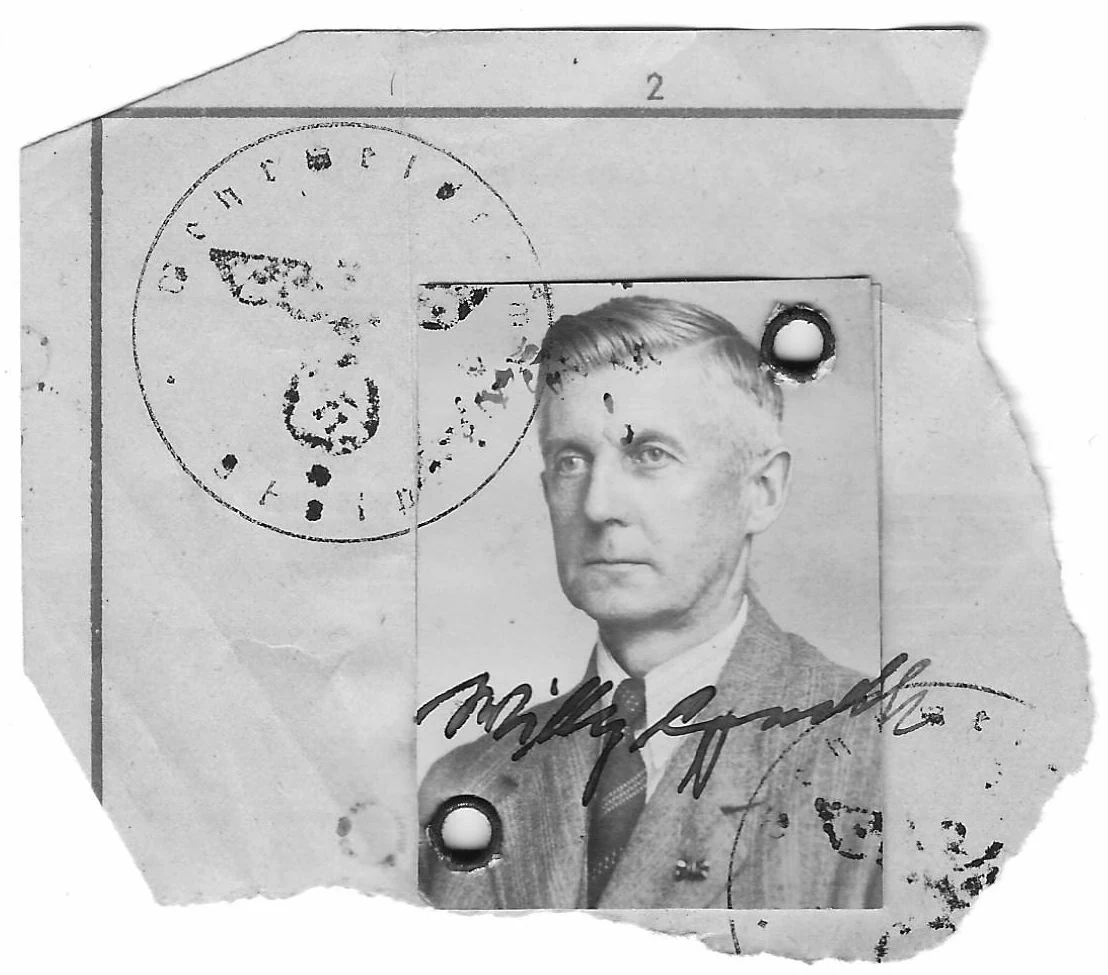
The meaning of that letter, and the journeys that had brought the family to that moment, unfold through Willy’s own writings, drawings and documents.
Memoirs, drawings and documents preserve the whole story.
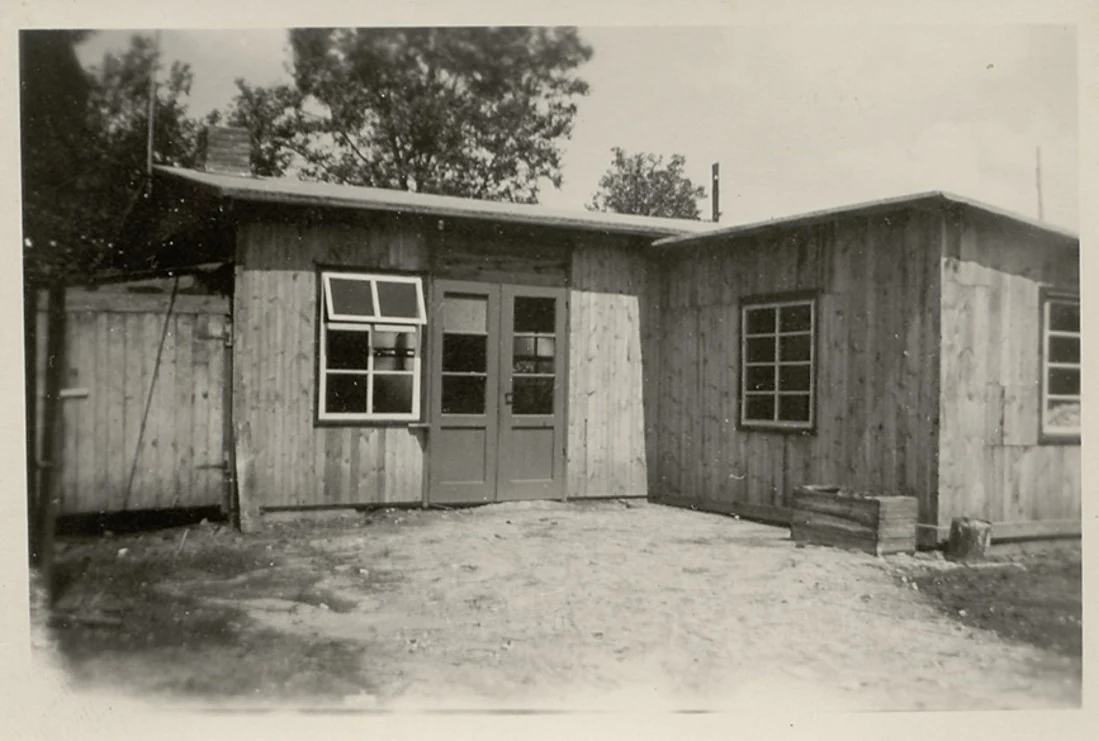
Dinklage, from 1946
He had already survived inflation and economic collapse. Now he began again from nothing.
After flight and camp life, Willy faced another test. Nothing that had once seemed secure could be taken for granted. Whether experience, craftsmanship and determination would be enough for a genuine new beginning remained uncertain.
A life preserved
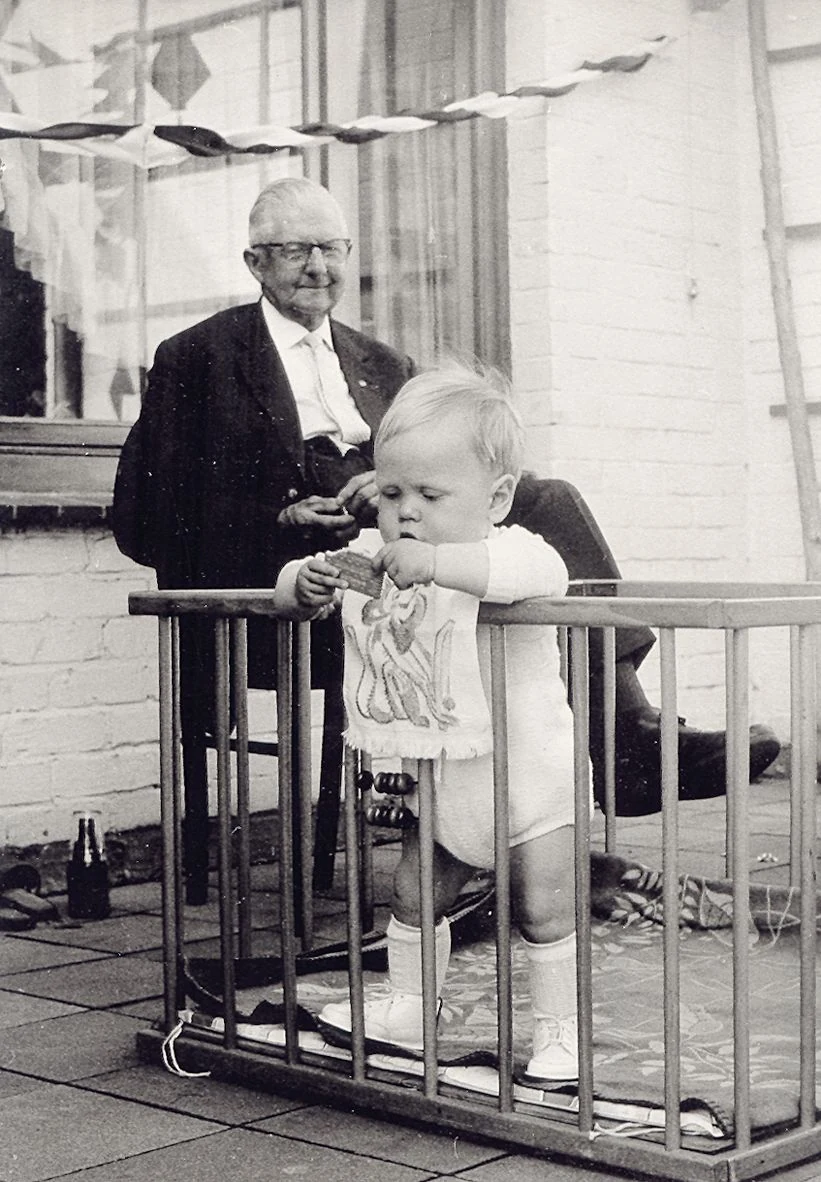
A grandson preserves his grandfather's voice.
When I read my grandfather’s handwritten recollections, an entire century came to life. His words, photographs, drawings and documents became a deeply personal book about a man who rarely used grand words – and for that very reason has so much to say.
Wolf Marbach Author and editor
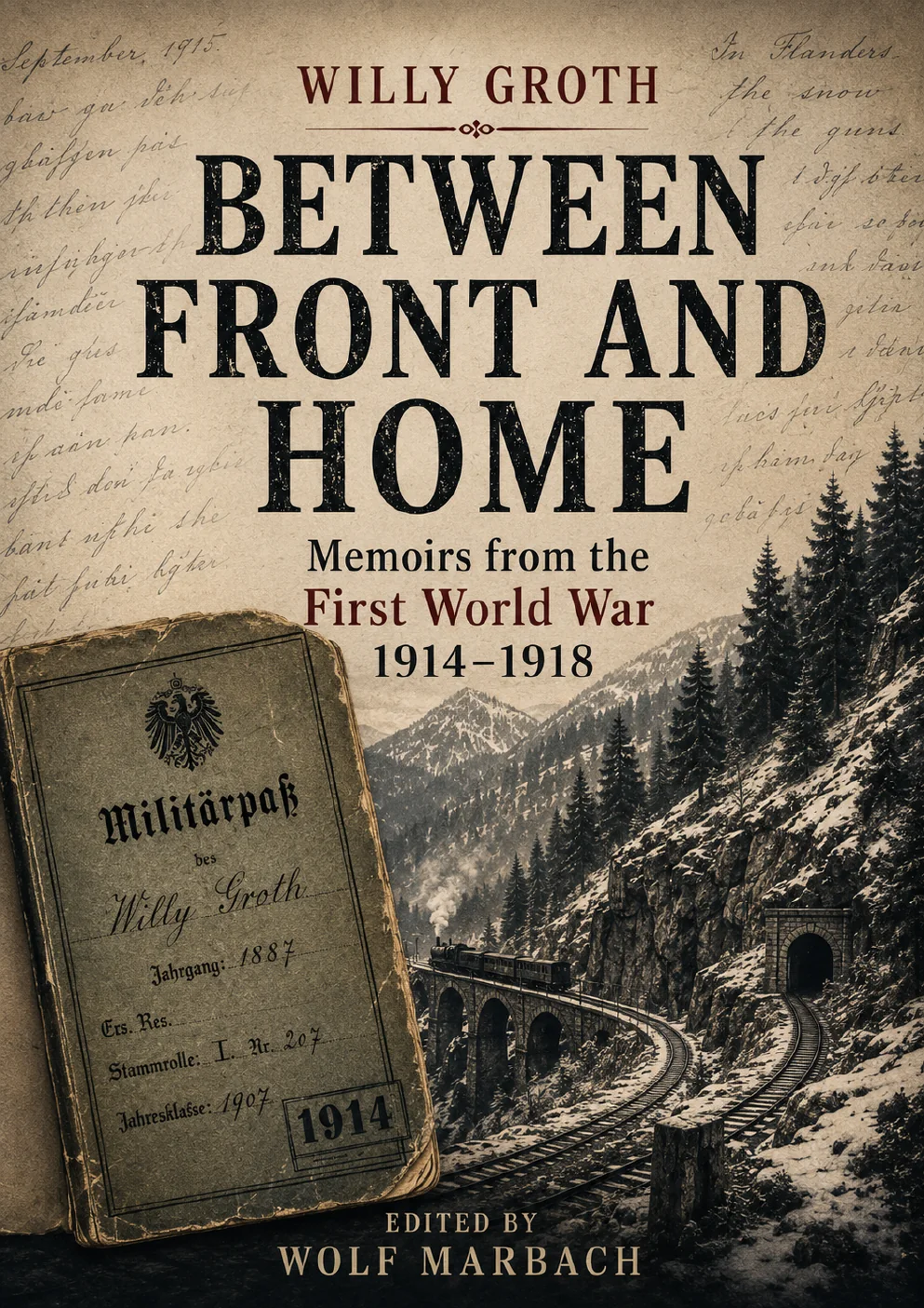
Read Willy’s own account – free
Between Front and Home
The surviving memoirs are incomplete and are not included in the book.
These 22 surviving pages are not included in the book. They record Willy’s experiences of the First World War in his own words. Other pages were lost, so the PDF is deliberately presented as an incomplete historical document.
Call-up · Romania · Serbia · Macedonia · Illness · Western Front · Homecoming
PDF · 22 surviving pages · free · no registration
The book
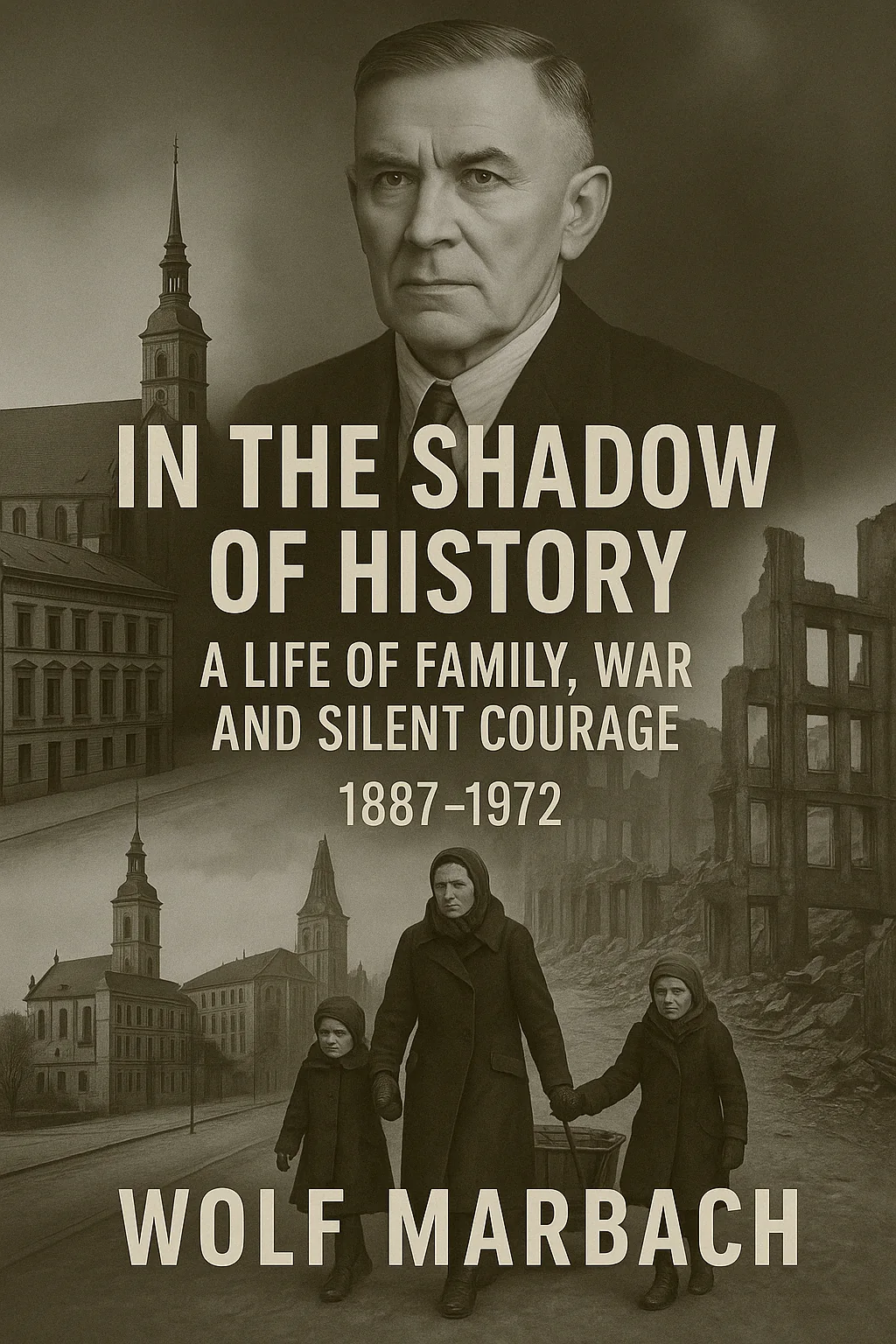
In the Shadow of History
A Life of Family, War and Silent Courage, 1887–1972
A life spanning a turbulent century, told through handwritten accounts, family photographs, drawings and original documents. Close to Willy Groth’s own voice – restrained, clear-eyed and all the more moving for it.
- Childhood and craftsmanship in the German Empire
- War and homecoming
- Family and independence
- Loss and flight
- Camp life and hope
- The attempt to begin again
Book details
- Author and editor
- Wolf Marbach
- Memoirs and original writings
- Willy Groth
- Language
- English
- Formats
- Paperback and Kindle edition
Prices and availability are set by Amazon and may change.
1887–1972 · One life, rebuilt twice
What sustains a person through a century of upheaval?
How much can a person lose without losing himself? Willy Groth’s writings offer no simple answer.
They reveal a man who kept moving forward, often without knowing where the next step would lead.
A true story of loss, hope and the quiet strength not to give up.